





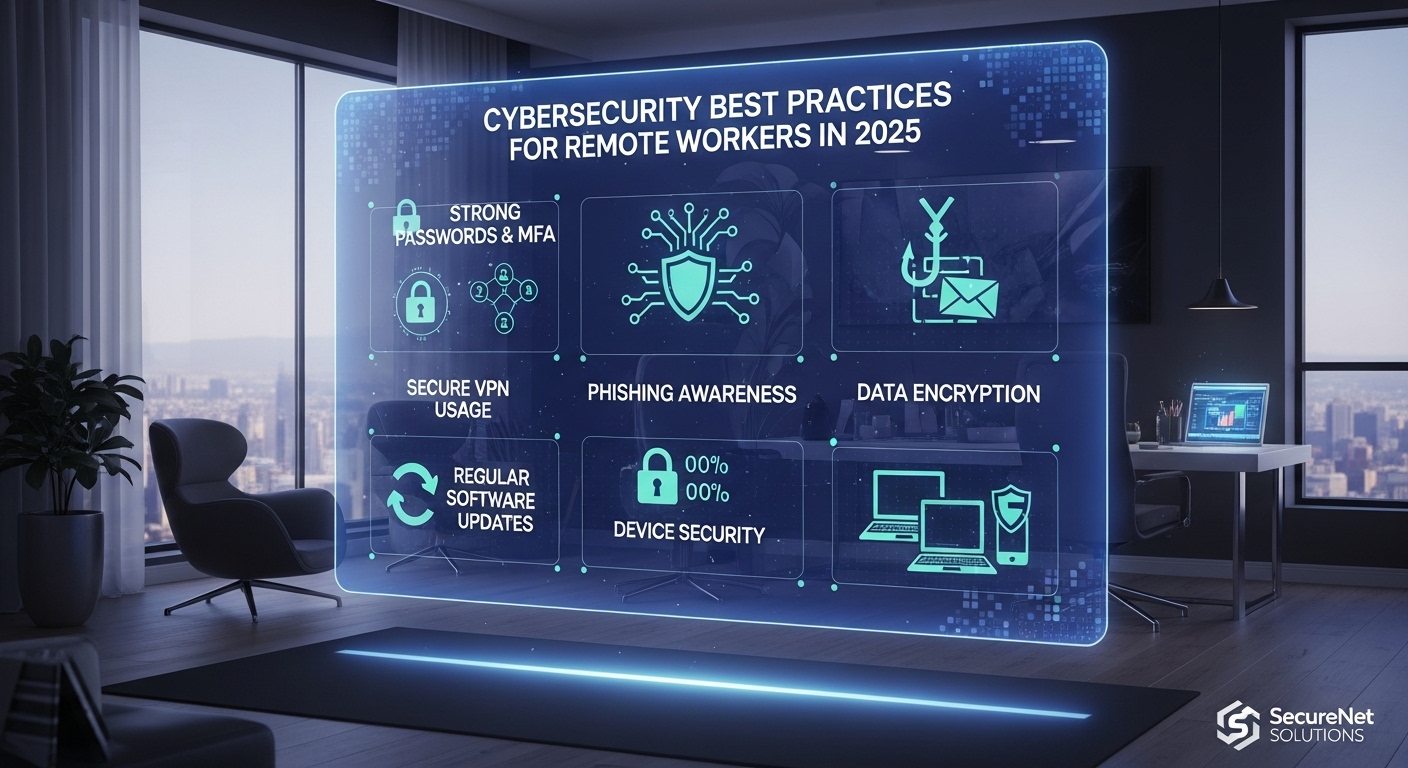
As we navigate deeper into 2025, cybersecurity remains a critical concern for businesses of all sizes. The digital landscape is evolving rapidly, and so are the tactics used by cybercriminals. Understanding the top cybersecurity threats this year is essential for organizations to protect their assets, reputation, and customers. Here’s a comprehensive look at the most pressing threats businesses should be aware of in 2025.
1. Ransomware Attacks Are More Sophisticated Than Ever
Ransomware continues to be one of the most devastating cyber threats. In 2025, attackers are leveraging more advanced encryption techniques and multi-layered attack strategies. They not only lock down data but also threaten to leak sensitive information publicly if ransom demands aren’t met. This double extortion tactic increases pressure on victims to pay quickly.
Businesses must invest in robust backup solutions, continuous monitoring, and employee training to mitigate the risk of ransomware. Regularly updated incident response plans are also crucial.
2. Supply Chain Attacks Targeting Third-Party Vendors
Supply chain attacks have surged as cybercriminals recognize that compromising a trusted vendor or partner can provide a backdoor into larger organizations. In 2025, attackers exploit vulnerabilities in software updates, cloud services, and even hardware components to infiltrate business networks.
Companies need to conduct thorough security assessments of their vendors, enforce strict access controls, and continuously monitor third-party activity to minimize exposure.
3. AI-Powered Phishing and Social Engineering
Phishing attacks remain a favorite tool for hackers, but in 2025, these attacks have become smarter and harder to detect, thanks to artificial intelligence. AI-generated phishing emails can mimic a company’s tone and style, making them extremely convincing.
To combat this, businesses should deploy advanced email filtering systems, conduct frequent phishing awareness training, and encourage employees to verify suspicious communications through multiple channels.
4. IoT Device Vulnerabilities
The explosion of Internet of Things (IoT) devices in the workplace—from smart cameras to connected HVAC systems—has expanded the attack surface dramatically. Many IoT devices lack robust security controls, making them easy targets for hackers to gain network access or launch distributed denial-of-service (DDoS) attacks.
Organizations must adopt strict policies for IoT device management, including regular firmware updates, network segmentation, and monitoring for unusual device behavior.
5. Cloud Security Risks
With the widespread adoption of cloud computing, cloud security threats have become a major concern. Misconfigured cloud storage, inadequate identity management, and insecure APIs are common vulnerabilities that cybercriminals exploit.
Businesses should implement comprehensive cloud security frameworks, use multi-factor authentication, and regularly audit cloud environments to ensure configurations meet best practices.
6. Insider Threats
Not all threats come from outside the organization. Insider threats—whether malicious or accidental—remain a significant risk in 2025. Disgruntled employees, contractors, or even careless staff can cause data breaches, intellectual property theft, or system disruptions.
To reduce insider risks, companies should enforce the principle of least privilege, monitor user activity, and foster a culture of security awareness and accountability.
7. Advanced Persistent Threats (APTs)
APTs are prolonged and targeted cyberattacks usually orchestrated by well-funded groups aiming to steal sensitive data or disrupt operations. These threats are stealthy, often going undetected for months.
Organizations should invest in threat intelligence, behavior-based detection systems, and collaborate with cybersecurity experts to identify and neutralize APTs early.
Conclusion
In 2025, cybersecurity is more complex and challenging than ever before. Businesses must stay vigilant and proactive in addressing emerging threats. A layered defense strategy combining technology, training, and policies is essential to protect against the growing array of cyber risks. By understanding these top cybersecurity threats, companies can better prepare, respond, and safeguard their future in the digital age