



Introduction: The Dawn of a New Technological Era
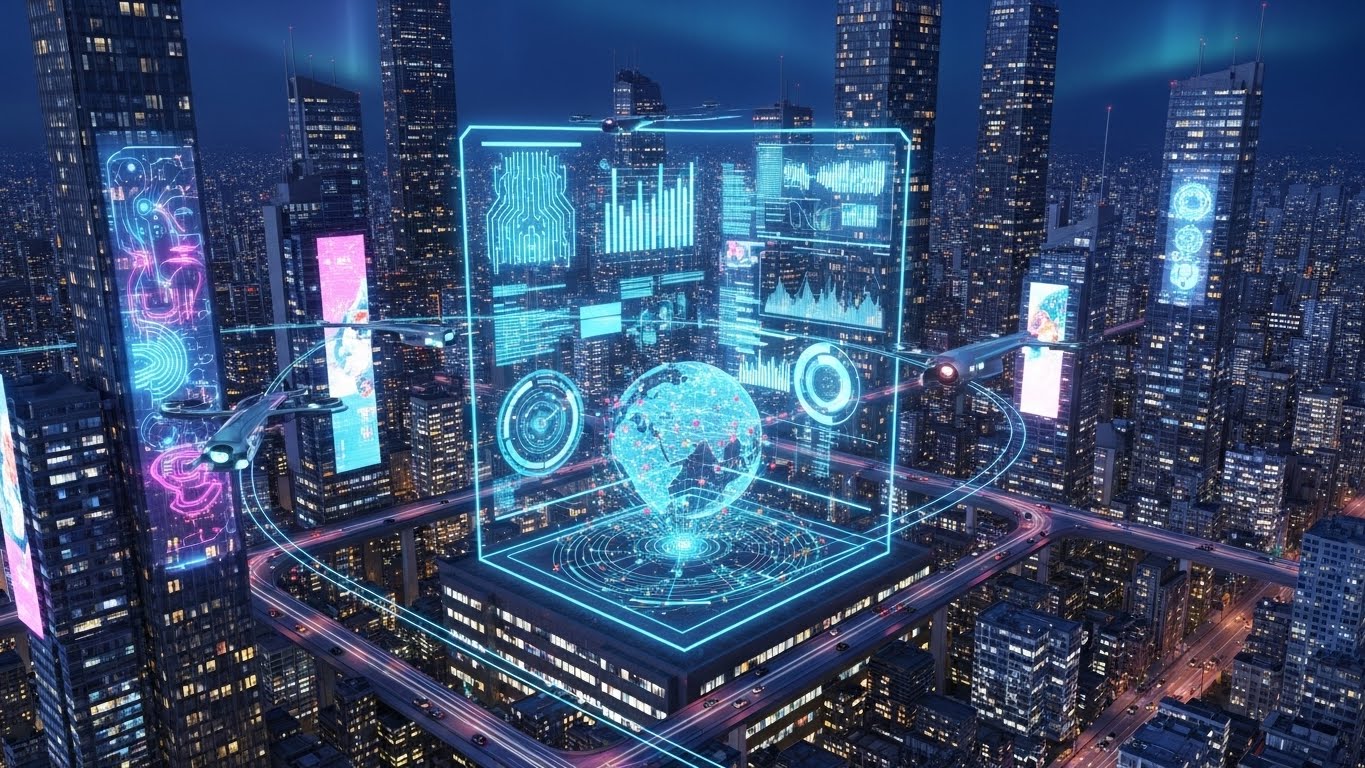
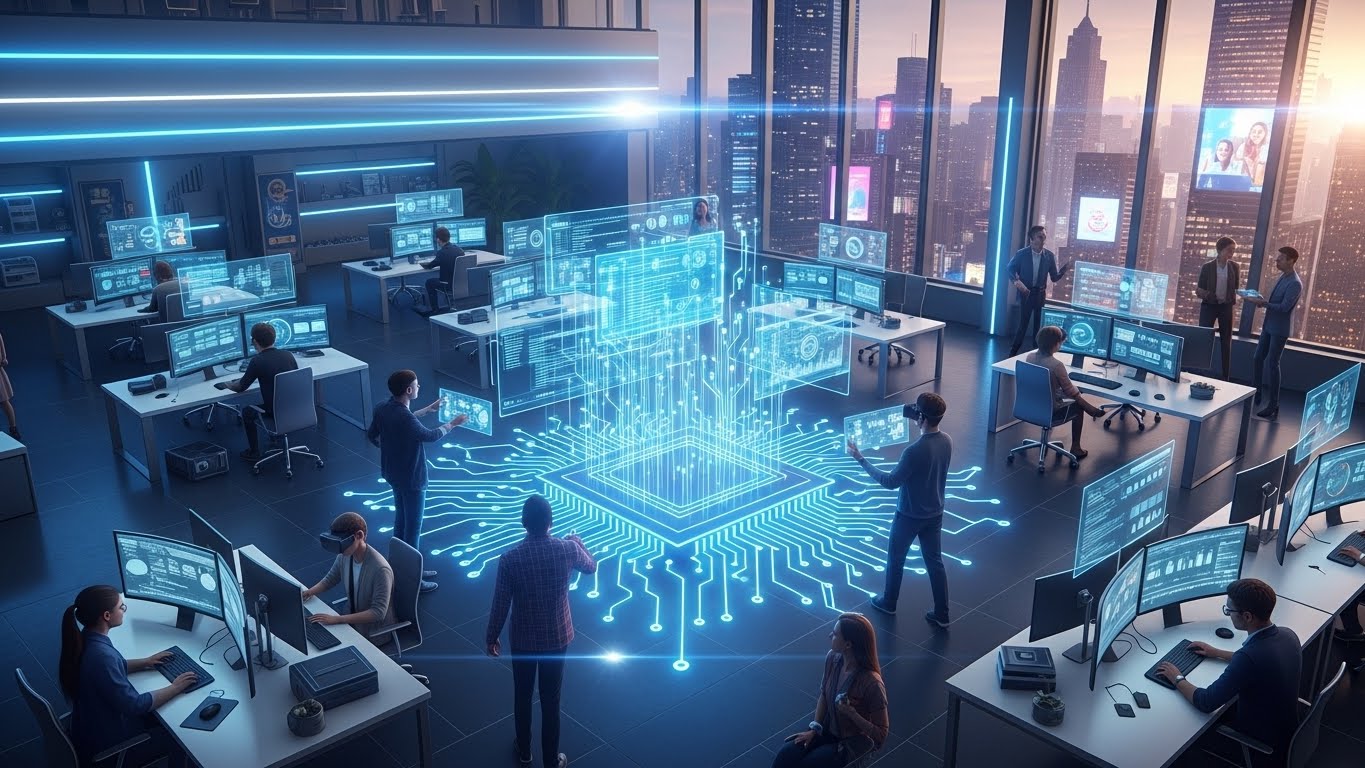
The world has always evolved alongside technology, but the pace at which innovations are emerging today is unprecedented. From artificial intelligence to quantum computing, the modern era is experiencing a silent revolution that is transforming how we live, work, and interact. Unlike previous industrial revolutions, this technological wave is not just about machines and factories; it is about information, connectivity, and intelligence. As these advancements continue to accelerate, understanding their implications becomes critical for businesses, governments, and individuals alike.
Artificial Intelligence: Beyond Science Fiction
Artificial intelligence (AI) has long been a staple of science fiction, but today it has become an integral part of our daily lives. AI algorithms power everything from recommendation systems on streaming platforms to autonomous vehicles navigating city streets. At its core, AI is about mimicking human intelligence through machine learning and deep learning techniques. These systems can analyze vast amounts of data, recognize patterns, and make decisions with minimal human intervention.
The impact of AI extends across industries. In healthcare, AI assists doctors by diagnosing diseases from medical images with remarkable accuracy. In finance, algorithms can predict market trends and detect fraudulent transactions in real-time. Even creative fields like music and art are witnessing AI-generated content that challenges traditional notions of creativity. While these applications bring efficiency and innovation, they also raise ethical concerns about job displacement, privacy, and algorithmic bias. Understanding AI’s potential and limitations is essential as society navigates this transformative technology.
The Rise of Quantum Computing
Quantum computing represents a paradigm shift in computational power. Unlike classical computers that rely on binary bits, quantum computers use qubits, which can exist in multiple states simultaneously. This property allows quantum systems to solve complex problems that are practically impossible for classical computers. For example, optimizing large supply chains or simulating molecular interactions for drug discovery can be achieved much faster with quantum computing.
Although still in its experimental stage, quantum computing has the potential to revolutionize industries. Cryptography, for instance, may need to be rethought entirely, as quantum algorithms could break traditional encryption methods. Companies and governments are investing heavily in quantum research, recognizing its potential to provide a competitive edge in technology, defense, and scientific discovery. However, practical, large-scale quantum computing is still years away, and researchers face challenges in maintaining qubit stability and reducing error rates.
Blockchain Beyond Cryptocurrency
Blockchain technology gained fame as the backbone of cryptocurrencies like Bitcoin, but its applications go far beyond digital money. Essentially, blockchain is a decentralized, immutable ledger that ensures transparency and security in digital transactions. This makes it ideal for industries that require trust and verification, such as supply chain management, voting systems, and digital identity verification.
The key strength of blockchain lies in its ability to remove intermediaries, reduce fraud, and increase accountability. For example, supply chain companies can track products from origin to delivery, ensuring authenticity and reducing counterfeit goods. Governments are exploring blockchain-based voting systems to enhance transparency and minimize tampering. Despite its potential, blockchain faces challenges such as scalability issues, energy consumption, and regulatory hurdles. As the technology matures, innovative solutions are emerging to address these limitations, signaling a broader adoption across sectors.
The Internet of Things: A Connected World
The Internet of Things (IoT) is transforming everyday objects into smart devices that communicate with each other through the internet. From smart thermostats and wearable health monitors to industrial sensors in manufacturing plants, IoT creates a network of interconnected devices that collect and share data in real-time. This connectivity enhances efficiency, safety, and convenience.
In healthcare, IoT devices allow continuous monitoring of patients’ vital signs, enabling early detection of potential health issues. In agriculture, sensors optimize irrigation and crop management, boosting productivity while reducing waste. Even cities are becoming smarter, with traffic management systems, energy-efficient buildings, and intelligent public transportation networks. However, the proliferation of IoT devices raises security and privacy concerns, as every connected device becomes a potential target for cyberattacks. Ensuring robust security measures and data protection protocols is essential as IoT continues to expand.
5G and the Future of Connectivity
The rollout of 5G networks marks a new era in connectivity, promising faster speeds, lower latency, and greater capacity for connected devices. Unlike previous generations, 5G is not just about faster internet on smartphones; it is about enabling new technologies and experiences. Autonomous vehicles, remote surgery, and immersive augmented reality applications all rely on the low latency and high reliability of 5G networks.
The implications of 5G extend to industries as well. Manufacturing facilities can implement real-time monitoring and predictive maintenance, reducing downtime and costs. Logistics companies can track shipments with unprecedented precision, while energy grids can be managed more efficiently through real-time data analytics. Despite its potential, 5G adoption faces challenges such as infrastructure costs, spectrum allocation, and concerns over electromagnetic exposure. Nonetheless, the widespread deployment of 5G is poised to accelerate the digital transformation across multiple sectors.
Cybersecurity in a Hyperconnected World
As technology becomes more integrated into our daily lives, cybersecurity has become a critical concern. Cyber threats are evolving rapidly, ranging from ransomware attacks on hospitals to sophisticated state-sponsored hacking campaigns. Protecting digital assets requires a multi-layered approach that includes encryption, threat detection, and user education.
Businesses and governments must invest in proactive cybersecurity strategies rather than reactive measures. Artificial intelligence and machine learning are increasingly being used to detect anomalies and predict attacks before they happen. At the same time, individuals must remain vigilant about online security practices, such as strong password management and awareness of phishing schemes. The balance between technological innovation and security will define the resilience of society in an increasingly digital world.
Sustainable Technology: Innovation with Responsibility
Technology has the power to address some of the world’s most pressing challenges, including climate change and resource depletion. Sustainable technology focuses on creating solutions that minimize environmental impact while maximizing efficiency. Renewable energy systems, electric vehicles, and energy-efficient data centers are examples of innovations that combine technology with environmental responsibility.
Artificial intelligence and IoT also play a role in sustainability. Smart grids optimize energy distribution, reducing waste and lowering emissions. AI-driven analytics help companies reduce material consumption and enhance supply chain efficiency. As consumers and governments demand greener practices, the integration of sustainable technology is no longer optional—it is a necessity. Companies that embrace sustainability are not only contributing to the planet’s well-being but are also gaining a competitive advantage in a market increasingly driven by ethical considerations.
The Ethical Dimension of Technology
While technology brings unprecedented benefits, it also raises complex ethical questions. AI decision-making, data privacy, surveillance, and digital rights are areas where society must navigate moral dilemmas. Technology can amplify biases if not carefully managed, and the concentration of power in a few tech giants raises concerns about accountability and fairness.
Ethical frameworks and regulations are emerging to guide the responsible development and deployment of technology. Transparency, inclusivity, and fairness must be prioritized in designing algorithms, managing data, and implementing automated systems. Engaging diverse stakeholders in technology governance can help ensure that innovation serves humanity rather than undermining it. The future of technology is not only about what can be built but also about what should be built.
Conclusion: Embracing the Future with Awareness
The technological landscape is evolving at an astonishing pace, reshaping every aspect of human life. Artificial intelligence, quantum computing, blockchain, IoT, 5G, and sustainable innovations are not isolated trends—they are interconnected forces driving a profound transformation. While the potential benefits are enormous, these advancements come with responsibilities and challenges that require careful consideration.
Embracing the future means not only adopting new technologies but also understanding their social, ethical, and environmental implications. Individuals, organizations, and governments must engage in continuous learning, adaptability, and foresight. The silent revolution of technology is here, and those who navigate it wisely will shape the next era of human progress.
In the end, technology is more than tools and machines—it is a reflection of human ingenuity, ambition, and responsibility. The choices made today will determine whether the digital future is a force for collective growth or a source of unintended consequences. By staying informed, thoughtful, and proactive, we can harness technology to create a world that is smarter, safer, and more equitable for all.