




Introduction The Age of Silent Transformation
Technology today is no longer just about flashy gadgets or dramatic inventions that shock the world overnight. Instead, we are living in an era of silent transformation, where technology works quietly in the background, reshaping how humans think, work, communicate, and even feel. From the moment we wake up to the moment we fall asleep, technology influences nearly every decision we make. This influence is so deeply embedded in daily life that we often fail to notice how powerful it has become. The invisible engine of tomorrow is already running, and its impact is far greater than we imagine.
From Tools to Thinking Partners
In the early days, technology served as a simple tool. Humans used machines to reduce physical effort and save time. Today, technology has evolved beyond being just a helper. It has become a thinking partner. Artificial intelligence systems analyze data, predict outcomes, and assist in decision making across industries. This shift marks a turning point in human history. Machines are no longer passive objects waiting for commands. They actively interact with information and provide insights that shape business strategies, medical diagnoses, and creative processes. The relationship between humans and technology is becoming more collaborative than ever before.
The Digital Brain and Human Intelligence
Modern technology acts as an extension of the human brain. Cloud storage remembers what we forget. Search engines answer questions within seconds. Smart assistants respond to voice commands and learn personal preferences over time. This digital brain does not replace human intelligence, but it enhances it. Humans can now focus on creativity, empathy, and complex problem solving while machines handle repetitive tasks and data-heavy operations. However, this dependence also raises important questions about memory, attention span, and critical thinking. As technology grows smarter, humans must ensure that their own intellectual abilities continue to evolve rather than decline.
The Workplace Without Walls
Technology has completely redefined the concept of work. Offices are no longer limited to physical buildings. Remote work, virtual teams, and digital collaboration platforms have removed geographical boundaries. Professionals can now work with colleagues from different countries without ever meeting in person. This shift has increased flexibility and opened global opportunities, but it has also blurred the line between personal and professional life. Technology enables constant connectivity, which can improve productivity but also lead to burnout if not managed carefully. The future workplace will depend on finding balance between freedom and responsibility.
Automation and the Fear of Replacement
One of the most discussed aspects of modern technology is automation. Machines can now perform tasks that once required human effort, from manufacturing to customer service. This advancement has sparked fear about job loss and economic instability. While it is true that some traditional roles are disappearing, new roles are also emerging. Technology creates demand for skills related to system management, data analysis, cybersecurity, and digital creativity. The challenge lies in preparing the workforce for these changes through education and continuous learning. Automation is not about replacing humans but redefining how humans contribute value.
Technology in Healthcare A Quiet Revolution
Healthcare is experiencing one of the most profound transformations driven by technology. Digital records, smart monitoring devices, and predictive analytics are improving patient care and saving lives. Doctors can detect diseases earlier, monitor patients remotely, and design personalized treatment plans. Technology reduces human error and increases efficiency, allowing medical professionals to focus more on patient interaction. At the same time, ethical concerns such as data privacy and unequal access must be addressed. The true success of healthcare technology lies in combining innovation with compassion.
The Connected World and Human Relationships
Technology has changed the way humans connect with one another. Social platforms, instant messaging, and video calls allow people to stay in touch across vast distances. Relationships that once depended on physical presence can now thrive digitally. However, this constant connectivity has also altered the depth of communication. Short messages and quick reactions sometimes replace meaningful conversations. While technology brings people together, it can also create emotional distance if used without awareness. The future of human relationships depends on using technology as a bridge rather than a barrier.
Data The New Form of Power
In the modern world, data is one of the most valuable resources. Every click, search, and interaction generates information that can be analyzed to understand behavior and predict trends. Businesses rely on data to make decisions, governments use it for planning, and individuals benefit from personalized experiences. However, the collection and use of data raise serious concerns about privacy and control. As technology continues to gather more information, society must establish clear boundaries to protect individual rights while still benefiting from data-driven innovation.
Cybersecurity Trust in the Digital Age
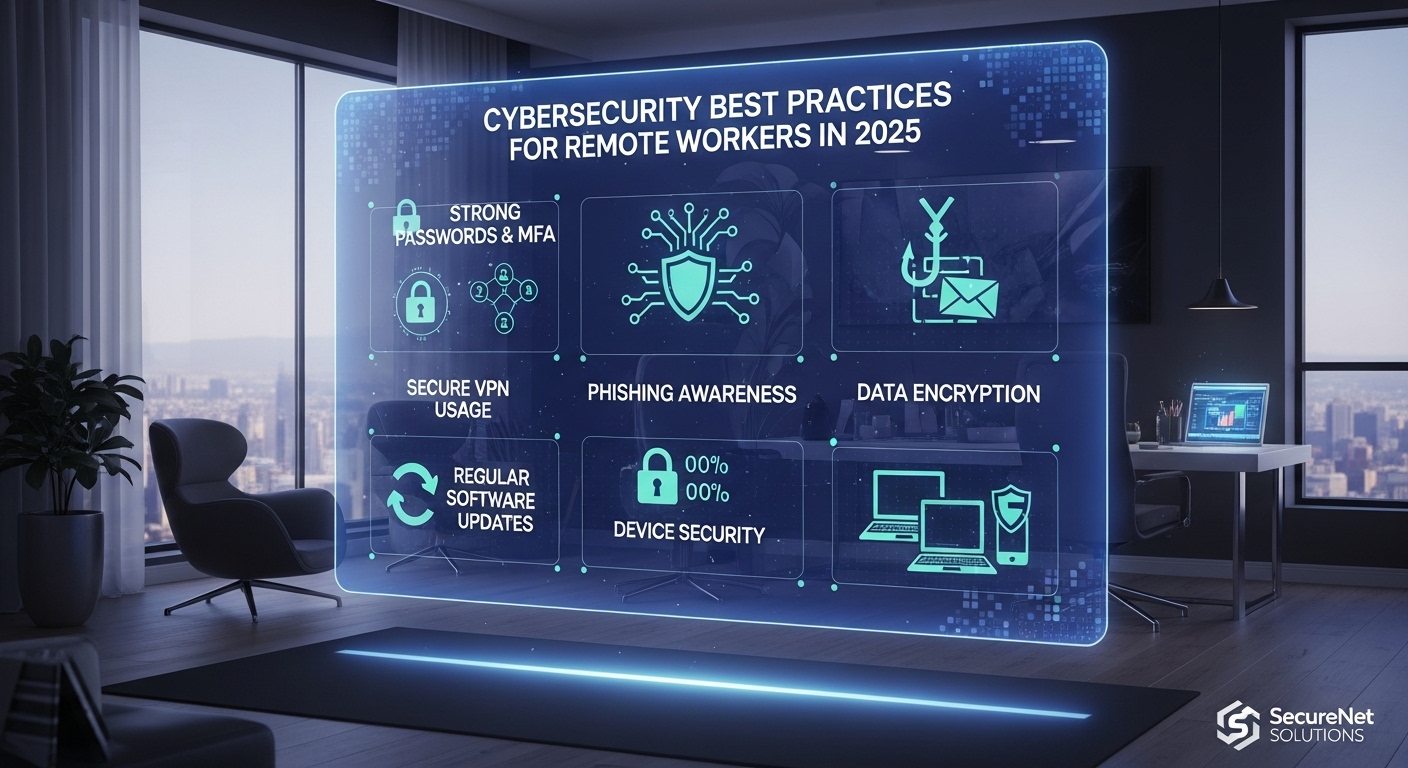
As technology becomes more integrated into daily life, security becomes a critical issue. Digital systems store personal, financial, and professional information that must be protected from misuse. Cyber threats are evolving rapidly, targeting individuals, organizations, and even entire nations. Building trust in technology requires strong security measures and user awareness. Cybersecurity is no longer just a technical issue but a shared responsibility. The future digital world will depend on how effectively humans can safeguard the systems they rely on.
Education in a Technology Driven World
Technology has transformed education from a classroom centered experience into a global learning ecosystem. Online courses, virtual classrooms, and interactive tools provide access to knowledge for people of all ages. Learning is no longer limited by location or schedule. Students can explore subjects at their own pace and develop skills relevant to a rapidly changing world. However, technology alone cannot replace the role of teachers and mentors. Human guidance, critical thinking, and emotional support remain essential elements of meaningful education.
Ethics and Responsibility in Innovation
With great technological power comes great responsibility. Innovations that improve efficiency and convenience can also create inequality and ethical dilemmas. Decisions made by algorithms can influence lives in ways that are not always transparent. Developers, businesses, and policymakers must consider the social impact of technology. Ethical innovation requires fairness, accountability, and inclusivity. The goal should not be progress at any cost, but progress that benefits humanity as a whole.
The Future Is Already Here
The future of technology is not something distant or imaginary. It is unfolding quietly around us every day. Smart systems learn from behavior, digital platforms shape opinions, and automation changes industries step by step. The invisible engine of tomorrow is already integrated into modern life. Understanding this reality empowers individuals to adapt, learn, and participate actively in shaping the future rather than passively experiencing it.
Conclusion Embracing the Human Side of Technology
Technology is not just about machines and code. It is about humans and how they choose to use innovation. The true power of technology lies in its ability to amplify human potential, solve complex problems, and create new possibilities. As technology continues to evolve, the focus must remain on human values, creativity, and connection. By embracing both innovation and responsibility, society can ensure that the invisible engine of tomorrow drives progress that is meaningful, ethical, and deeply human.