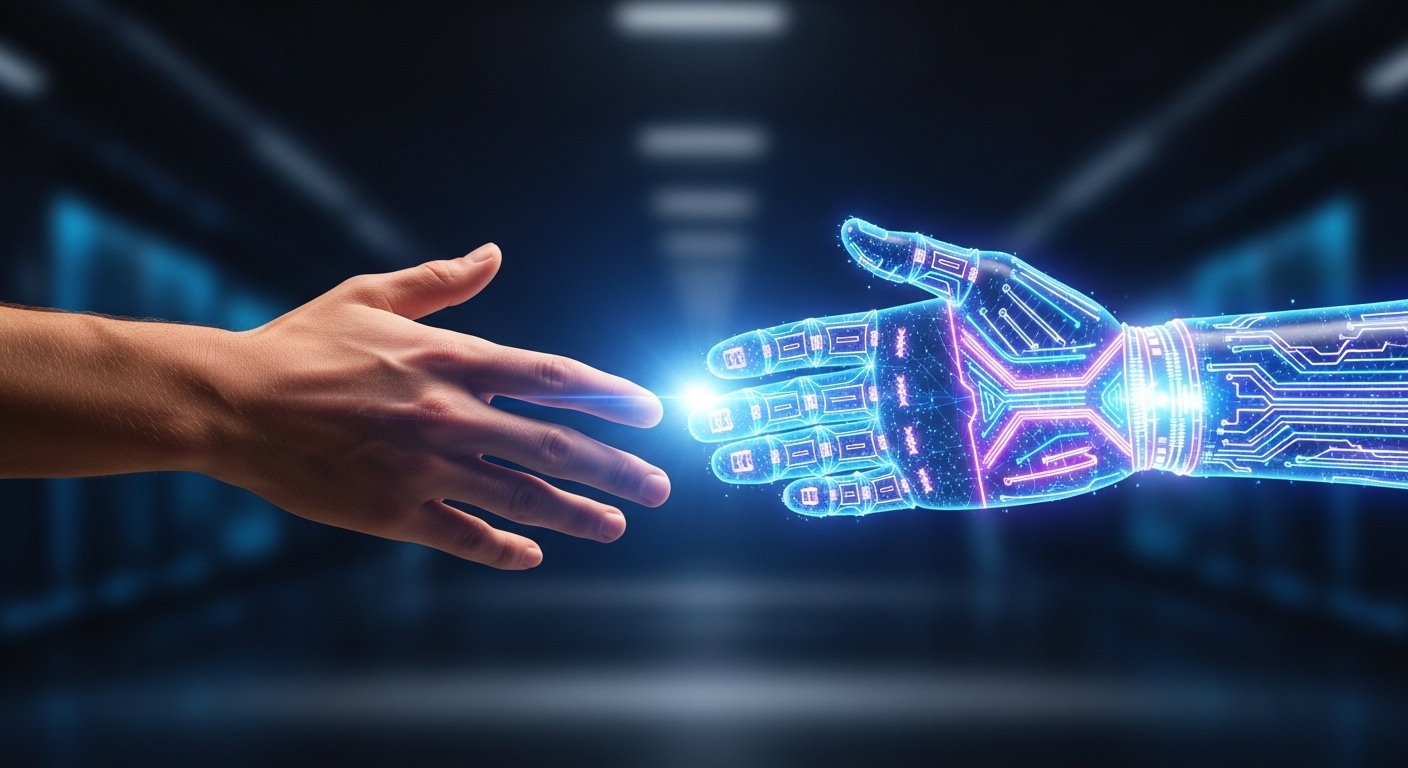




Technology is no longer just an accessory to modern life; it is the very foundation of how we function as individuals, businesses, and societies. From the inception of simple tools to the creation of cutting-edge artificial intelligence (AI), technology has drastically altered the way we work, communicate, and live. As we look ahead, we find ourselves at the precipice of a future where technology continues to evolve, offering both opportunities and challenges.
This blog post delves into the technological advancements that have shaped our world, the trends that are leading us into the future, and the ethical considerations that we must address as we move forward in this digital age. Whether it’s through innovations in artificial intelligence, machine learning, the Internet of Things (IoT), or blockchain, the impact of technology is undeniable. Let’s take a closer look at how these technologies are reshaping our world and what the future might hold.
The Role of Technology in Modern Society
The role of technology in today’s world cannot be overstated. We rely on it for everything from communication to work, healthcare, and entertainment. What began as simple tools to make tasks easier has evolved into complex systems that drive every aspect of modern civilization. The significance of technology lies in its ability to increase productivity, reduce human error, and enhance our lives in ways that were once unimaginable.
A Connected World: The Rise of the Internet of Things (IoT)
The concept of the Internet of Things (IoT) has revolutionized the way we interact with the world around us. IoT refers to the interconnection of everyday devices via the internet, allowing them to collect and exchange data. In simple terms, IoT brings connectivity to everything, from refrigerators to traffic lights. By embedding sensors into objects, we are able to monitor, manage, and optimize them in real-time.
For example, smart homes are a direct product of IoT. Devices such as thermostats, lights, and security cameras can now be controlled remotely through apps, enabling greater convenience, energy efficiency, and security. Additionally, the IoT is transforming industries like agriculture, where sensors can monitor soil moisture, temperature, and other environmental conditions to improve crop yields. This increased connectivity also facilitates the growth of smart cities, where traffic patterns, utilities, and emergency services are all interconnected to enhance urban living.
Artificial Intelligence: The Power of Machines that Learn
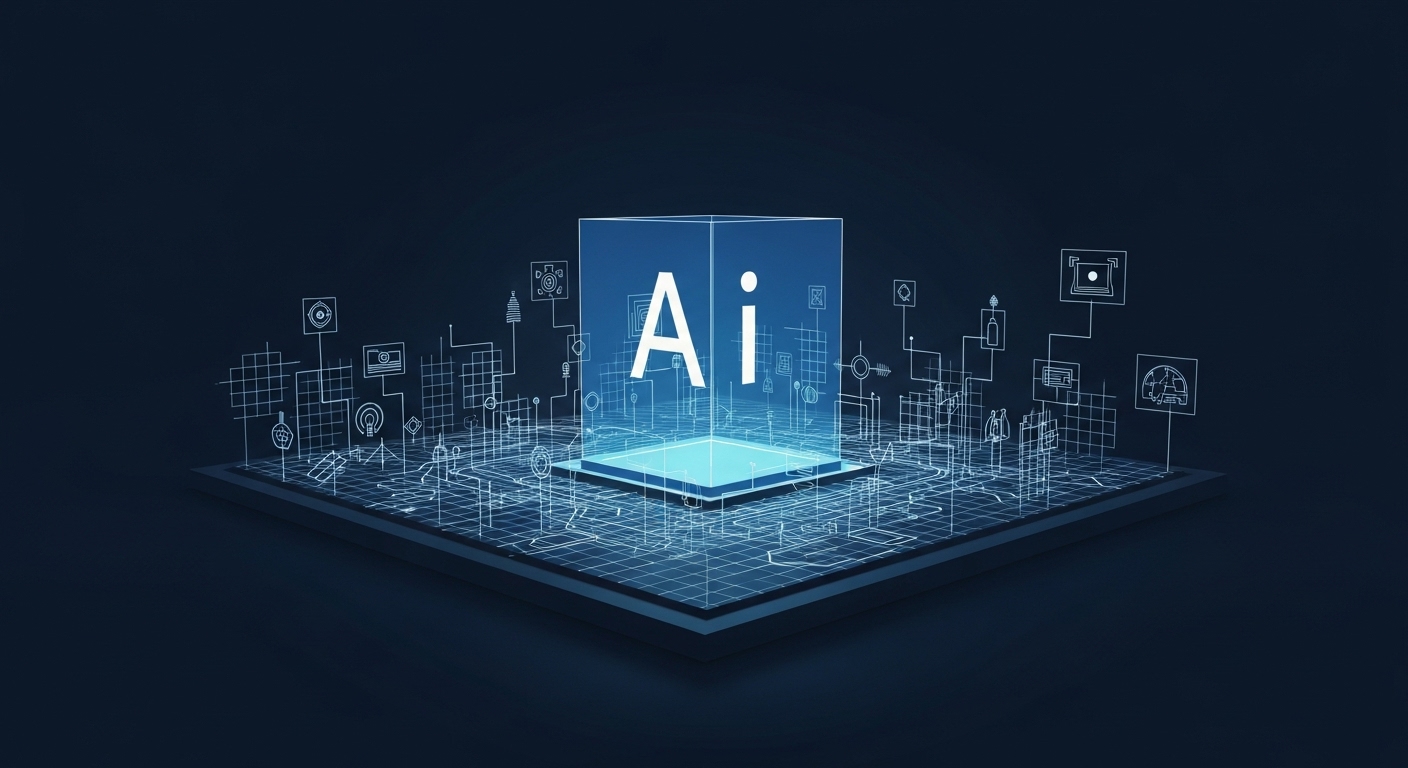
Artificial Intelligence (AI) is one of the most transformative technological advances of our time. At its core, AI is the simulation of human intelligence in machines. It allows computers and systems to learn from experience, adapt to new inputs, and perform tasks that traditionally required human cognition.
AI has already made significant strides in various sectors. In healthcare, AI is being used for diagnostics, helping doctors identify diseases like cancer at early stages through machine learning algorithms. In finance, AI is being employed to detect fraud by analyzing patterns in transactions and predicting potential risks. Furthermore, AI is rapidly advancing in robotics, with robots now being used in manufacturing, assembly lines, and even surgery.
One of the most exciting aspects of AI is its ability to improve itself. Machine learning algorithms allow AI systems to process vast amounts of data, recognize patterns, and learn from mistakes, improving their accuracy and functionality over time. As AI continues to evolve, it is likely that its applications will expand even further, potentially transforming industries we can’t yet imagine.
Technological Trends to Watch in the Coming Decade
While current technologies are already altering the fabric of society, it’s the trends on the horizon that promise to reshape the future. As we look ahead, certain innovations stand out as potential game-changers.
Quantum Computing: Unleashing Unprecedented Power
Quantum computing is a field of study that leverages the principles of quantum mechanics to process information in ways that traditional computers cannot. Unlike classical computers, which use bits to represent either a 0 or a 1, quantum computers use quantum bits, or qubits, which can represent multiple states simultaneously. This ability allows quantum computers to perform complex calculations exponentially faster than their classical counterparts.
The potential applications for quantum computing are vast. In fields such as cryptography, quantum computers could break traditional encryption methods, forcing the development of new, more secure protocols. In medicine, quantum computing could help simulate molecular structures, speeding up the process of drug discovery. For artificial intelligence, quantum computing could provide the computational power necessary to advance machine learning algorithms, unlocking new possibilities in everything from natural language processing to robotics.
While quantum computing is still in its infancy, several tech giants, including Google and IBM, are investing heavily in the development of quantum systems. As research in this area progresses, it is expected that quantum computers will eventually revolutionize industries from finance to healthcare.
Blockchain: Redefining Trust and Transparency
Blockchain technology is most commonly associated with cryptocurrencies like Bitcoin, but its potential extends far beyond digital currencies. Blockchain is a decentralized, distributed ledger technology that records transactions across multiple computers, ensuring that data is transparent, secure, and immutable.
The key advantage of blockchain is its ability to eliminate the need for intermediaries in transactions. For example, in the financial sector, blockchain enables peer-to-peer transactions without the need for banks or other financial institutions. This has the potential to reduce transaction fees, increase the speed of transfers, and improve accessibility to financial services for people in underserved regions.
Blockchain’s applications extend into areas such as supply chain management, where it can be used to track the journey of products from manufacturer to consumer, ensuring authenticity and reducing fraud. In healthcare, blockchain can securely store patient records, giving individuals greater control over their personal health data. As blockchain technology matures, it is likely to play a crucial role in multiple industries, providing enhanced security, efficiency, and transparency.
5G: The Next Generation of Connectivity
5G is the fifth generation of wireless technology, offering faster speeds, lower latency, and greater bandwidth compared to previous generations. The rollout of 5G networks around the world is expected to unlock a new era of connectivity, with far-reaching implications for everything from personal devices to industrial applications.
One of the most significant benefits of 5G is its ability to support the growing number of connected devices in the Internet of Things (IoT). With 5G, the communication between devices can be faster and more reliable, making it ideal for smart cities, autonomous vehicles, and other data-intensive applications.
5G’s low latency is particularly important for applications that require real-time interaction, such as virtual reality (VR), augmented reality (AR), and remote surgery. By reducing lag, 5G enables these technologies to function smoothly, opening up new possibilities in fields like entertainment, education, and healthcare.
Robotics and Automation: Shaping the Workforce of Tomorrow
Robots and automation technologies are transforming industries across the board. From manufacturing and logistics to healthcare and agriculture, robots are increasingly performing tasks that were once carried out by humans. These technologies are improving efficiency, reducing human error, and increasing productivity.
In manufacturing, robots are being used for assembly, welding, and packaging, enabling companies to produce goods at a faster rate and with greater precision. In logistics, autonomous vehicles and drones are revolutionizing the delivery of goods, reducing costs and delivery times. In healthcare, robots are assisting with surgeries, providing precision and minimizing the risk of complications.
While automation has the potential to increase productivity and create new jobs, it also raises concerns about job displacement. As robots and AI take over more tasks, certain industries may see a reduction in human employment. However, new roles will likely emerge that focus on the development, maintenance, and management of these advanced technologies.
Ethical Considerations in the Age of Technology
As technology continues to evolve, it brings with it a host of ethical dilemmas. These issues must be addressed to ensure that innovation benefits society as a whole and does not disproportionately harm vulnerable populations.
Privacy and Data Security
One of the biggest concerns in the digital age is the issue of privacy. As more and more aspects of our lives are captured and stored digitally, from online shopping habits to health data, the potential for privacy violations increases. Data breaches, identity theft, and surveillance are growing threats, and individuals are becoming increasingly aware of the value of their personal information.
Governments, corporations, and individuals must work together to implement policies and technologies that protect privacy while still allowing for the beneficial use of data. Stronger data protection laws, such as the European Union’s General Data Protection Regulation (GDPR), are an important step in the right direction, but more needs to be done to ensure that personal data is treated with respect and security.
The Impact of Automation on Employment
The rise of robotics and AI has led to concerns about job displacement. Automation has already replaced human workers in certain industries, and as technology advances, more jobs may be at risk. While some experts argue that automation will create new jobs, others believe that it will disproportionately affect lower-wage workers, leading to increased inequality.
To address this challenge, it is essential to focus on reskilling and upskilling the workforce. Workers must be equipped with the skills needed to thrive in a more automated economy. Governments and organizations should invest in training programs that prepare individuals for the jobs of the future.
Bias in AI
AI systems are only as good as the data they are trained on, and if that data contains biases, the AI systems will perpetuate those biases. For example, AI algorithms used in hiring processes have been found to discriminate against certain groups, such as women and people of color. This issue highlights the need for greater diversity in the development of AI systems and more stringent oversight to ensure fairness.
It is crucial that AI developers address these biases by ensuring that their algorithms are trained on diverse, representative data sets. Transparent and ethical AI development practices will help mitigate the risk of biased outcomes.
Conclusion: Embracing the Future of Technology
Technology has the power to improve lives, transform industries, and address some of the world’s most pressing challenges. As we continue to embrace advancements in AI, robotics, blockchain, and other emerging technologies, we must also be mindful of the ethical implications and societal impacts of these innovations.
The future of technology holds immense promise, but it is up to us to ensure that we navigate it responsibly. By fostering innovation, promoting inclusivity, and addressing ethical concerns, we can harness the full potential of technology to create a better, more equitable world for future generations. The evolution of technology is not just about the tools we build, but how we choose to use them.