




Technology has always been a driving force behind human advancement, from the creation of the wheel to the rise of artificial intelligence. However, the pace of change in recent years has accelerated to a degree that is reshaping industries, economies, and societies at large. In this blog post, we will explore the key technological innovations that are shaping our future. These innovations are not just transforming how we live and work but are also offering solutions to some of humanity’s most pressing challenges.
The Rise of Artificial Intelligence and Machine Learning
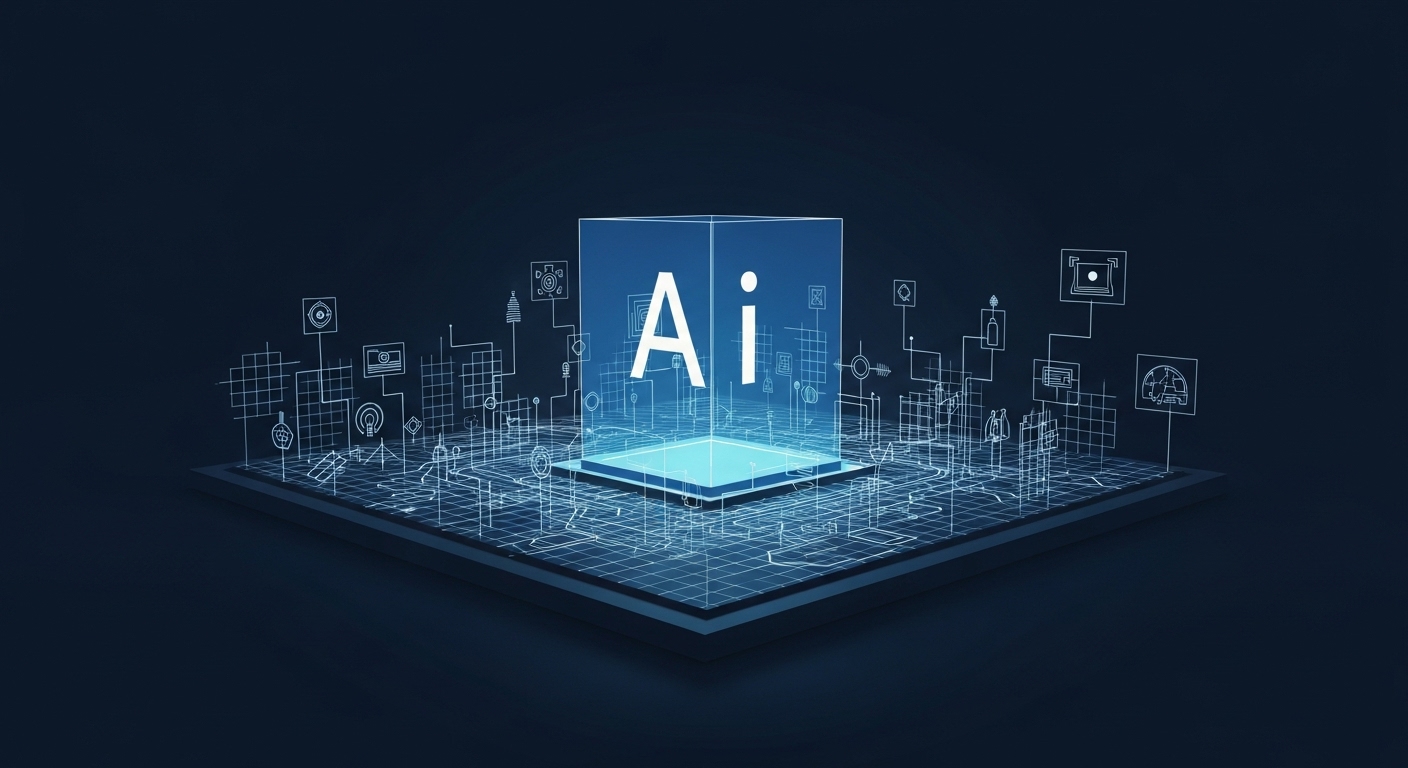
One of the most transformative technologies in recent years has been the rapid development of Artificial Intelligence (AI) and Machine Learning (ML). AI systems are now capable of performing tasks that were once thought to require human intelligence, such as image recognition, natural language processing, and even decision-making. The applications of AI and ML are vast, ranging from healthcare to finance, education, and even entertainment.
In healthcare, for example, AI is being used to analyze medical images, assist in drug discovery, and even predict patient outcomes. In finance, AI algorithms can analyze market trends to inform investment strategies and detect fraudulent activities. As AI continues to evolve, it will become an even more integral part of our daily lives, assisting in everything from personal assistants like Siri and Alexa to self-driving cars and robotic surgery.
The potential of AI is immense, but it also brings with it challenges, particularly in terms of job displacement and ethical considerations. As machines become smarter, there is a growing concern about the future of work and how society will adapt. Will AI enhance human capabilities, or will it replace human workers in certain industries? These are important questions that will need to be addressed as AI continues to mature.
The Power of 5G and Beyond: Connectivity That Will Change the World
The advent of 5G networks promises to revolutionize how we connect and interact with the world around us. With speeds up to 100 times faster than 4G, 5G will enable a new wave of innovation, particularly in the fields of smart cities, autonomous vehicles, and the Internet of Things (IoT).
For instance, self-driving cars rely on real-time data from sensors and other vehicles to make quick decisions on the road. 5G’s low latency and high bandwidth will make it possible for these vehicles to communicate with each other and infrastructure in real time, greatly improving safety and efficiency. Similarly, 5G will enable smart cities to function more efficiently, with connected sensors monitoring everything from traffic patterns to air quality and waste management.
Beyond 5G, researchers are already looking toward 6G, which could enable even faster speeds, ultra-low latency, and enhanced network reliability. As these technologies continue to evolve, they will create a seamless and highly interconnected digital ecosystem that will change how we live, work, and interact.
Quantum Computing: Unlocking New Frontiers in Processing Power
Quantum computing is another cutting-edge technology that promises to change the world. Unlike classical computers, which process information in binary form (0s and 1s), quantum computers use quantum bits or qubits, which can exist in multiple states at once. This allows quantum computers to perform certain types of calculations exponentially faster than their classical counterparts.
The potential applications of quantum computing are vast, especially in fields like cryptography, materials science, and drug discovery. For example, quantum computers could break encryption algorithms that are currently considered unbreakable, raising both opportunities and security concerns. In drug discovery, quantum computers could simulate molecular interactions at a level of detail that would be impossible with classical computers, potentially speeding up the development of new medicines.
While quantum computing is still in its infancy, several companies and research institutions are making significant strides toward building practical quantum computers. In the coming years, we can expect to see more breakthroughs in this space, unlocking new possibilities for innovation.
The Growth of Blockchain Technology
Blockchain technology has evolved far beyond its origins as the underlying infrastructure for cryptocurrencies like Bitcoin. Today, blockchain is seen as a transformative technology with the potential to revolutionize various industries, from finance and supply chain management to healthcare and voting systems.
At its core, blockchain is a decentralized ledger that records transactions in a secure and transparent way. This decentralized nature makes it resistant to fraud and tampering, making it an attractive solution for applications where trust is critical. In the financial industry, blockchain can enable faster and cheaper cross-border payments, while in supply chain management, it can improve transparency and traceability of goods.
Blockchain also holds promise for creating more secure and transparent voting systems, reducing the potential for election fraud and ensuring that every vote is counted accurately. In healthcare, blockchain could be used to securely store and share medical records, giving patients more control over their data while ensuring privacy.
Despite its potential, blockchain technology still faces challenges, including scalability, energy consumption, and regulatory concerns. However, as these issues are addressed, blockchain is poised to become a foundational technology in the digital age.
The Emergence of Biotechnology and Genetic Engineering
Biotechnology and genetic engineering are fields that have the potential to not only change the course of medicine but also to address some of the most pressing challenges facing humanity, such as climate change and food security.
Advances in gene editing technologies, such as CRISPR, are allowing scientists to modify the DNA of organisms with unprecedented precision. This has already led to breakthroughs in treating genetic disorders, such as sickle cell anemia, and offers the potential for curing previously untreatable diseases.
In agriculture, genetic engineering can lead to crops that are more resistant to pests, diseases, and changing climates. This could help ensure food security for the growing global population, especially in regions where traditional farming methods are struggling to keep up with environmental challenges.
Furthermore, biotechnology is also playing a key role in developing sustainable energy sources and biodegradable materials, helping to reduce our reliance on fossil fuels and combat environmental degradation.
However, the ethical implications of genetic engineering and biotechnology cannot be ignored. As we gain more control over the genetic makeup of organisms, there will be increasing debates over what is considered acceptable and how to regulate these technologies in a responsible way.
The Internet of Things (IoT): Creating a Smarter World
The Internet of Things (IoT) is a network of physical devices, vehicles, appliances, and other objects embedded with sensors, software, and connectivity, allowing them to collect and exchange data. This technology is already changing the way we live, with smart homes, connected cars, and wearable health devices becoming commonplace.
One of the key benefits of IoT is its ability to improve efficiency and convenience. For example, smart thermostats can learn your daily routine and adjust the temperature in your home accordingly, reducing energy consumption. Wearable devices like fitness trackers can monitor your health in real-time, providing valuable insights into your fitness levels and overall well-being.
In industries like manufacturing and logistics, IoT is being used to track inventory, monitor machinery, and optimize supply chains, leading to increased productivity and reduced operational costs. The continued growth of IoT will also pave the way for the development of smart cities, where everything from traffic management to waste disposal is optimized through connected devices.
However, as IoT devices become more pervasive, concerns about data privacy and security are growing. The more devices we connect to the internet, the more vulnerable we become to cyberattacks and data breaches. Ensuring that IoT systems are secure and that users’ data is protected will be a critical challenge in the years to come.
Sustainability and Green Technologies: The Path Forward
As we face the reality of climate change and environmental degradation, sustainability has become a central focus for technological innovation. From renewable energy sources like solar and wind to electric vehicles and green building technologies, the push for a more sustainable future is driving significant advances in green technologies.
The rise of electric vehicles (EVs) is one of the most visible signs of this shift. As the cost of batteries decreases and charging infrastructure improves, EVs are becoming more affordable and accessible to consumers. This is helping to reduce greenhouse gas emissions and improve air quality, particularly in urban areas.
In addition to transportation, renewable energy technologies are rapidly advancing, with solar and wind power becoming more cost-competitive with traditional fossil fuels. Innovations in energy storage, such as advanced battery technologies, are also helping to solve the intermittency issues that have historically hindered the widespread adoption of renewable energy.
Green technologies are also transforming industries like agriculture, where sustainable farming practices and technologies are reducing water usage, increasing crop yields, and minimizing environmental impact.
As we continue to innovate in the realm of green technologies, it will be critical to ensure that these solutions are scalable and accessible to all, particularly in developing countries that are most vulnerable to the effects of climate change.
Conclusion: Embracing the Future of Technology
The future of technology is an exciting and transformative landscape, with innovations across AI, 5G, quantum computing, blockchain, biotechnology, IoT, and sustainability paving the way for a more connected, efficient, and sustainable world. However, these advancements also bring challenges, including ethical dilemmas, privacy concerns, and the need for thoughtful regulation.
As we move forward, it will be essential for governments, businesses, and individuals to work together to harness the power of technology for the greater good. By addressing the challenges and embracing the opportunities, we can create a future where technology enhances human life and addresses some of the most pressing challenges of our time.
In the end, the key to shaping a positive future lies not just in the technologies we create but in how we choose to use them. Technology has the potential to solve some of humanity’s biggest problems, but only if we use it responsibly and with a mind toward the common good. The future is bright, and the possibilities are endless.