



Introduction: Technology as the Driving Force of Modern Life
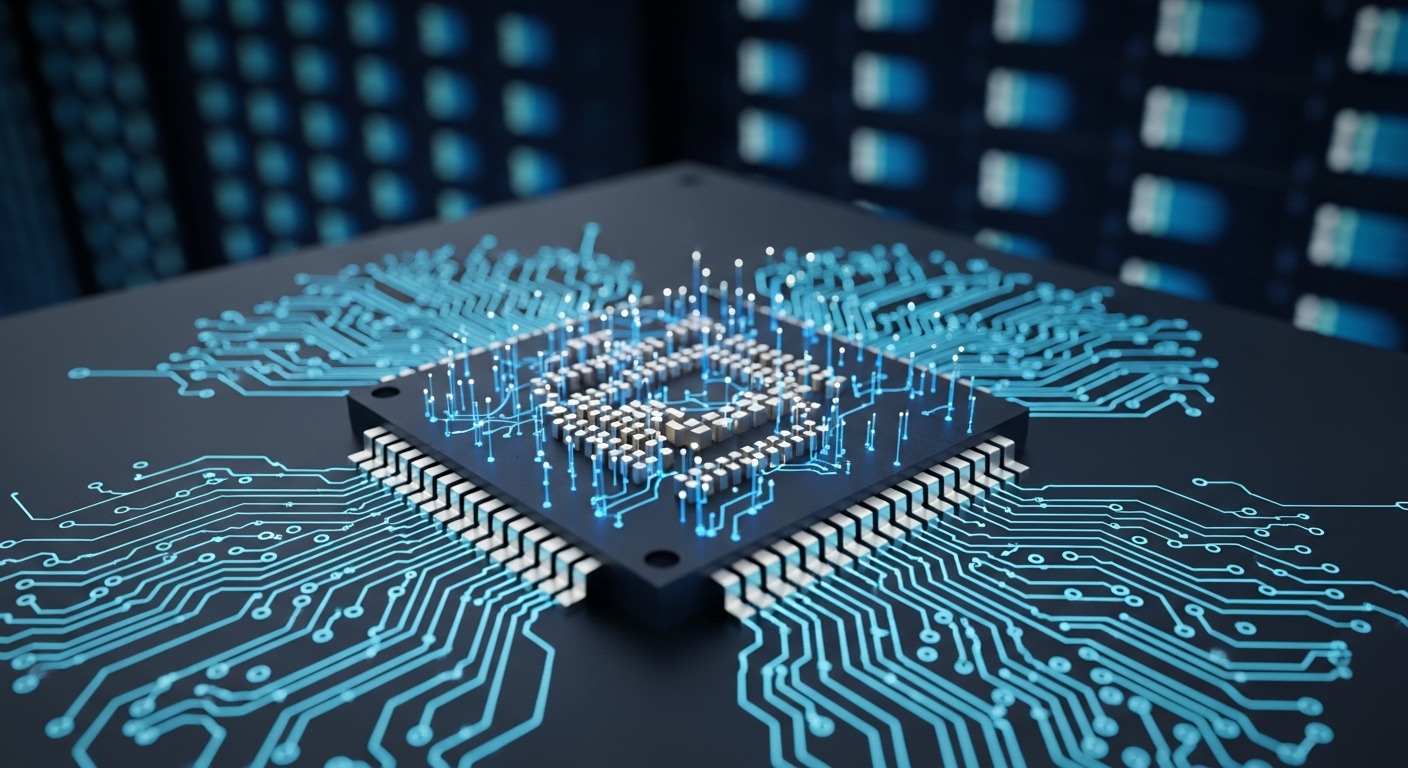
Technology has become the invisible force shaping almost every aspect of human life. From the devices we carry to the infrastructure that powers our cities, innovation is transforming the way we communicate, work, learn, and live. What began as simple tools and machines has evolved into a complex ecosystem of interconnected systems that drive the modern world. Understanding technology’s impact is not just relevant for professionals in the field—it is essential for anyone navigating life in the 21st century.
The Evolution of Technology: From Basic Tools to Intelligent Systems
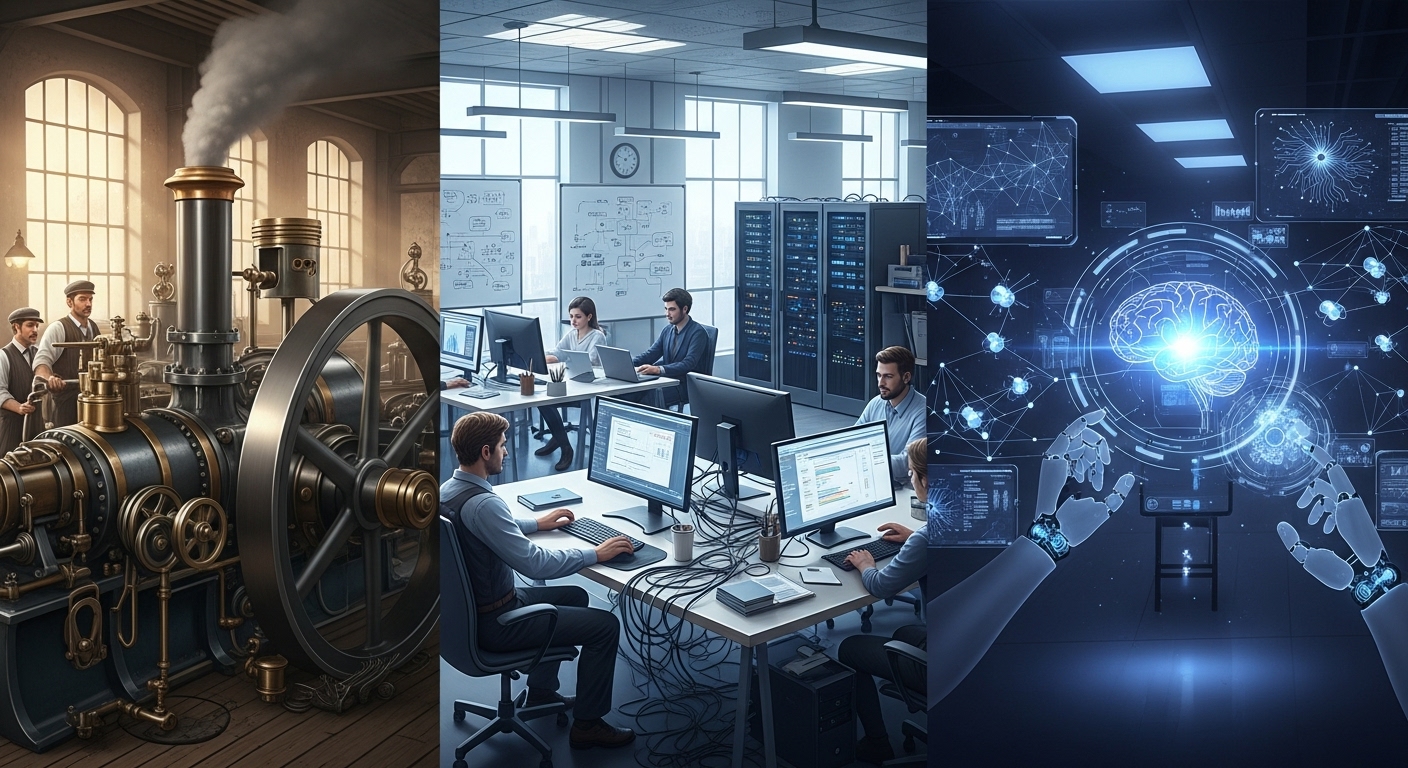
The history of technology reflects humanity’s enduring quest to solve problems and improve life. Early inventions, such as the wheel, the plow, and simple machines, revolutionized transportation, agriculture, and construction. The industrial revolution marked another leap, introducing mechanization that allowed mass production and reshaped economies.
In the 20th century, electronics, computers, and telecommunications transformed society once again. The invention of the transistor, followed by personal computers and the internet, created a foundation for global connectivity and information exchange. Today, technology has entered the era of intelligent systems. Artificial intelligence, robotics, and automation extend human capabilities, allowing machines not just to perform tasks but to learn, adapt, and make decisions.
Technology in Everyday Life: Convenience and Connectivity
Modern technology permeates daily life in ways many take for granted. Smartphones, wearable devices, and smart home systems provide convenience, security, and connectivity. Digital payment systems and online banking simplify commerce, allowing transactions to occur instantly across the globe.
Healthcare has benefited tremendously. Telemedicine enables remote consultations, wearable monitors track vital signs, and advanced imaging technologies improve diagnostic accuracy. Education has also evolved, with online learning platforms, virtual classrooms, and adaptive learning tools providing personalized instruction to students everywhere. In essence, technology has made daily life faster, safer, and more efficient.
Artificial Intelligence: Transforming Industries and Innovation
Artificial intelligence (AI) is one of the most transformative technological advancements of the 21st century. AI systems can analyze vast datasets, recognize patterns, and make decisions at speeds unattainable by humans. In healthcare, AI assists in diagnosing diseases, predicting patient outcomes, and personalizing treatment plans. In finance, AI evaluates market trends to guide investment strategies.
AI-driven automation is reshaping industries by streamlining operations and reducing errors. Retail, logistics, marketing, and customer service are all being enhanced through AI applications. However, the adoption of AI brings challenges, such as ethical considerations, algorithmic bias, and potential job displacement, which must be addressed responsibly.
Robotics and Automation: Redefining Work and Production
Robotics and automation are revolutionizing the workforce and manufacturing. In factories, robots perform repetitive and hazardous tasks with precision and efficiency. Autonomous vehicles are beginning to transform transportation, promising safer and more efficient travel.
In healthcare, robotic surgery allows minimally invasive procedures with increased accuracy. In agriculture, automated systems monitor crops and optimize harvesting. Consumer robotics, such as smart vacuum cleaners and robotic lawnmowers, are becoming part of everyday life. As automation grows, societies must balance human labor with machine efficiency and invest in reskilling programs to prepare workers for evolving roles.
The Internet of Things: Connecting People and Devices
The Internet of Things (IoT) is creating a network of interconnected devices that communicate seamlessly. Smart homes allow control over lighting, climate, and security from anywhere. In cities, IoT helps optimize traffic management, energy use, and public services, making urban life more efficient.
In healthcare, IoT devices monitor patients in real time, transmitting data to medical professionals for proactive care. Industrial IoT enhances manufacturing and logistics through predictive maintenance and performance tracking. By connecting devices and systems, IoT transforms how humans interact with technology and the environment.
Cloud Computing and Big Data: Driving Efficiency and Insight
Cloud computing has transformed the way organizations store, process, and access data. It provides scalable, on-demand resources that reduce infrastructure costs and enable global collaboration. Cloud platforms also power advanced applications, including artificial intelligence and machine learning.
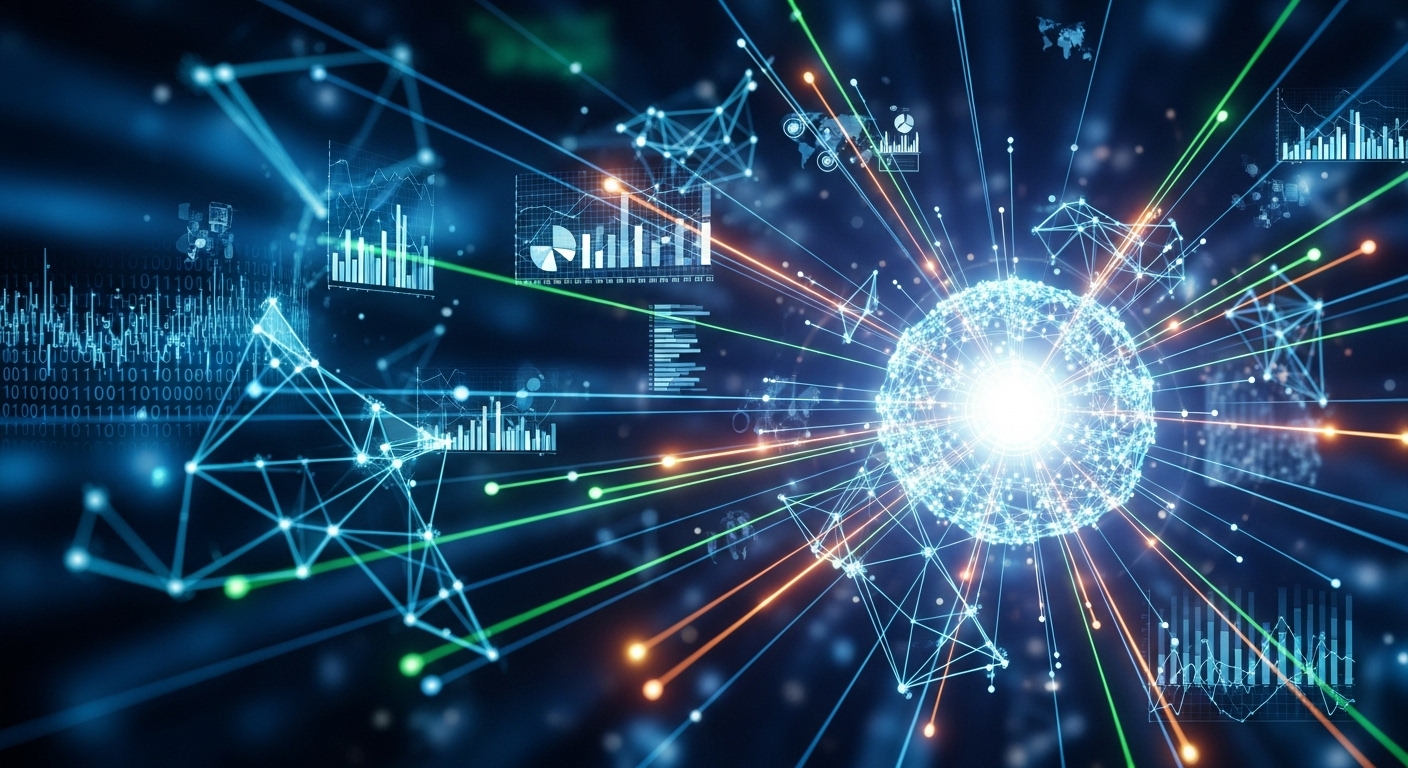
Big data complements cloud computing by providing insights from massive datasets. Companies analyze consumer behavior, predict trends, and optimize operations based on data-driven decisions. Together, cloud computing and big data form the backbone of modern technology, driving innovation and efficiency across industries.
Cybersecurity: Protecting the Digital World
With greater reliance on technology comes greater risk. Cybersecurity is essential to protect individuals, organizations, and governments from data breaches, hacking, identity theft, and other digital threats. Effective cybersecurity relies on encryption, authentication protocols, threat detection, and ongoing education.
As devices and systems become increasingly connected, new vulnerabilities emerge. Securing digital infrastructure requires proactive strategies, continuous monitoring, and a culture of awareness. Cybersecurity is no longer optional; it is a fundamental necessity in a world driven by technology.
Renewable Energy and Sustainable Innovation
Technology plays a critical role in addressing environmental challenges. Renewable energy sources such as solar, wind, and hydroelectric power are transforming global energy production. Smart grids and energy management systems optimize consumption, while electric vehicles reduce reliance on fossil fuels.
Sustainable technologies also extend to materials science, recycling, and eco-friendly manufacturing processes. By integrating innovation with environmental responsibility, technology enables humanity to progress while minimizing ecological impact.
Space Exploration and Advanced Research
Technology has expanded human reach beyond Earth. Space exploration is entering a new era, with reusable rockets, satellites, and advanced probes enabling scientific discovery and practical applications such as global communications and climate monitoring.
Research in physics, biology, and materials science is accelerated through technology. Robotics, AI, and advanced computational tools allow scientists to model complex phenomena, analyze massive datasets, and conduct experiments that were previously impossible. Space technology demonstrates how innovation can push the boundaries of human knowledge and capability.
Ethical and Social Considerations
While technology offers immense potential, it also raises ethical and social concerns. Issues like privacy, surveillance, data misuse, and algorithmic bias demand careful oversight. Automation and AI may displace jobs, requiring policies and education programs to mitigate economic disruption.
Access to technology remains unequal, creating a digital divide that affects education, healthcare, and economic opportunity. Ensuring equitable access and fostering responsible innovation are critical to maximizing technology’s benefits while minimizing harm.
The Future of Technology
The future promises even more transformative changes. Artificial intelligence will become more intelligent and autonomous, robotics more advanced, and connectivity more immersive. Emerging technologies, including quantum computing, biotechnology, and nanotechnology, are set to redefine industries and human experiences.
Immersive technologies such as virtual reality, augmented reality, and brain-computer interfaces will reshape education, communication, and entertainment. The challenge will be balancing innovation with ethics, sustainability, and inclusivity, ensuring technology serves humanity positively and responsibly.
Conclusion: Technology as a Catalyst for Progress
Technology is not just about gadgets and systems; it is a catalyst for progress, shaping society, economies, and human potential. It has transformed healthcare, education, energy, communication, and space exploration, offering unprecedented opportunities and challenges.
Harnessing technology responsibly requires foresight, ethical frameworks, and a commitment to equity and sustainability. The future is being defined by innovation, and humanity’s ability to adapt, collaborate, and govern technology wisely will determine whether it remains a force for positive transformation. By embracing progress thoughtfully, we can ensure that technology continues to empower, connect, and elevate humanity.