




Introduction
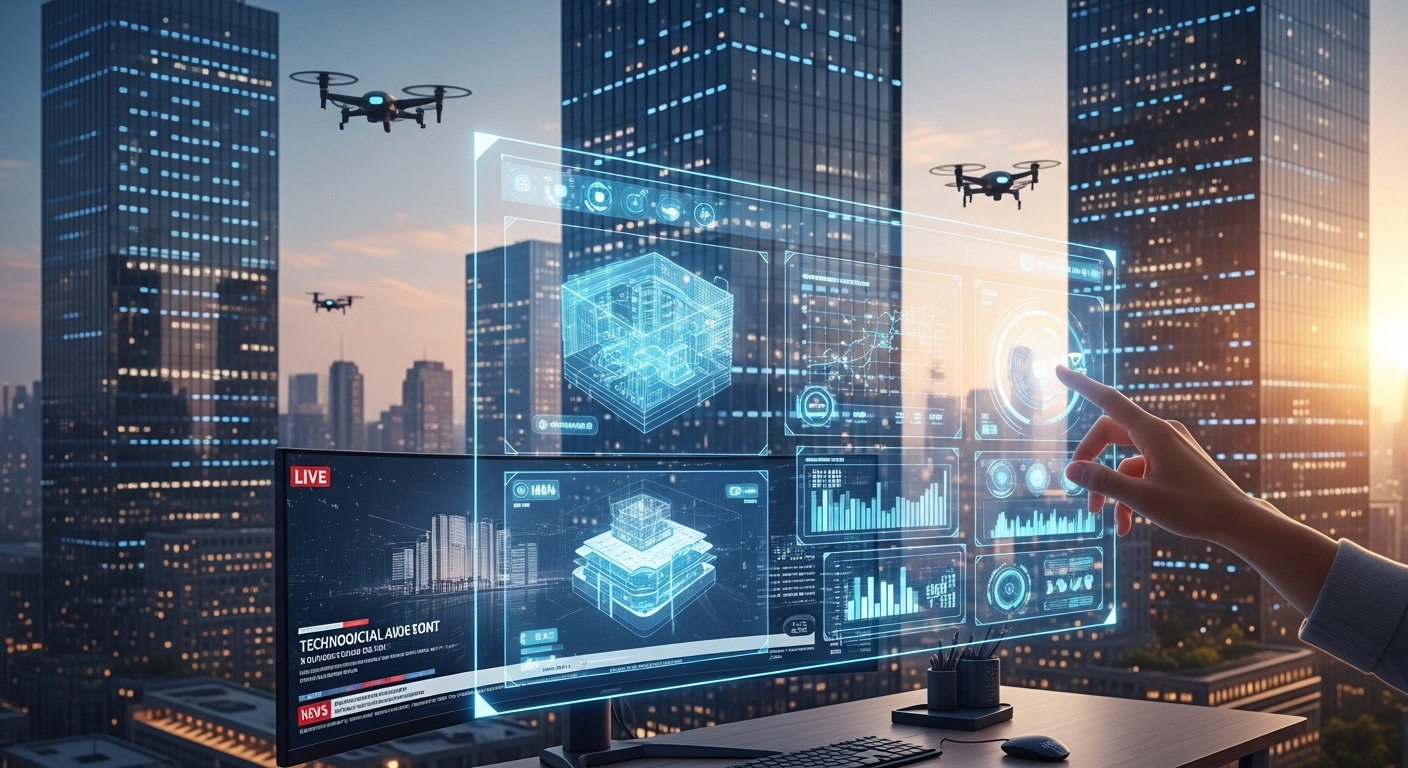
Technology is no longer a mere tool for convenience; it has become the driving force behind modern society. It transforms the way we live, work, communicate, and think. From the rise of artificial intelligence and robotics to the proliferation of smartphones and digital platforms, technology continues to redefine possibilities. This blog explores the evolution of technology, its profound impact on society, the opportunities and challenges it presents, and the promising future that lies ahead.
The Evolution of Technology
Human history is intertwined with technological advancement. Early humans used simple tools to hunt, gather, and protect themselves. Fire, the wheel, and basic agricultural implements enabled humans to survive and flourish. The development of writing systems allowed knowledge to be preserved and transmitted across generations, laying the foundation for learning and culture.
The Industrial Revolution marked a major leap forward. Steam engines, mechanized factories, and railroads transformed economies and lifestyles. In the 20th century, electricity, automobiles, airplanes, and early computers accelerated modernization even further. Today, the digital era dominates, with artificial intelligence, robotics, biotechnology, and quantum computing redefining human potential.
Technology in Communication
Communication has undergone a profound transformation. Previously, messages required days or even months to reach distant locations. Today, email, instant messaging, video calls, and social media enable instant global communication. Smartphones have placed this power in the hands of billions, connecting people across borders and time zones.
Social media platforms have revolutionized the way ideas and information are shared. Businesses can reach targeted audiences, governments can disseminate critical information, and individuals can share opinions instantly. However, this unprecedented connectivity comes with challenges, including misinformation, cyberbullying, and privacy concerns. Responsible use of digital communication tools is essential for maintaining trust and security.
Technology in Education
Education has been dramatically enhanced by technology. Online courses, digital textbooks, and interactive learning platforms make education accessible to people worldwide. Students can learn at their own pace, explore a wide range of subjects, and acquire skills suited to the modern workforce.
Emerging technologies such as virtual reality and augmented reality create immersive educational experiences. Students can virtually visit historical sites, conduct laboratory experiments safely, or simulate real-world scenarios. Artificial intelligence further personalizes learning by analyzing performance and recommending tailored resources, making education more effective, inclusive, and adaptive.
Healthcare and Technology
Healthcare has been revolutionized by technology. Advanced diagnostic tools, robotic surgeries, and medical imaging improve patient care and treatment precision. Telemedicine expands access to healthcare, allowing patients in remote areas to consult specialists without traveling long distances.
Wearable devices monitor vital signs, activity levels, and sleep patterns, empowering individuals to manage their own health proactively. Artificial intelligence assists in analyzing medical data, predicting diseases, and developing new treatments. Technology has transformed healthcare into a more efficient, accessible, and precise system capable of addressing complex medical challenges.
Technology in Business and the Economy
Technology drives global economic growth. Automation, cloud computing, and data analytics enhance efficiency and enable informed decision-making. E-commerce platforms allow companies to reach worldwide audiences, and digital marketing strategies target specific customer needs more accurately than ever.
Financial technology, or fintech, is reshaping banking, payments, and investment management. Blockchain provides secure and transparent transaction processes. Startups leverage technology to innovate rapidly, creating new industries and business models. Technology is no longer optional for economic competitiveness; it is essential for progress and sustainability.
Technology in Transportation
Transportation has been transformed through technological innovation. Automobiles, airplanes, high-speed rail, and electric vehicles have improved mobility and connectivity. Autonomous vehicles promise safer roads, reduced congestion, and efficient traffic management.
Smart transportation systems utilize real-time data to optimize urban traffic, improve public transportation, and enhance commuter experiences. Electric vehicles reduce carbon emissions, and innovations in aviation and logistics ensure goods and people move faster and more efficiently. Technology continues to reshape the way humans travel, making it safer, faster, and more sustainable.
Artificial Intelligence and Machine Learning
Artificial intelligence is redefining industries and everyday life. AI systems analyze massive datasets, identify patterns, and make decisions that previously required human intelligence. Machine learning allows AI systems to improve performance over time, enabling applications that were once unimaginable.
AI powers virtual assistants, autonomous vehicles, predictive healthcare, financial fraud detection, and personalized recommendations. While AI drives efficiency and innovation, it also raises ethical concerns such as job displacement, privacy, and algorithmic bias. Ensuring responsible AI development is crucial to maximize benefits while minimizing potential harm.
Technology and Society
Technology has fundamentally reshaped society. It fosters global connectivity, enables creativity, and provides access to information on a scale never before possible. Remote work, online learning, and digital entertainment have changed lifestyles and social interactions.
However, technology also presents social challenges. The digital divide limits access to education and job opportunities for certain populations. Excessive reliance on social media can impact mental health, reduce face-to-face interaction, and affect social skills. Society must find a balance between embracing technological progress and addressing its social consequences.
Environmental Sustainability and Technology
Technology is crucial for achieving environmental sustainability. While industrialization has contributed to environmental degradation, modern innovations offer solutions. Renewable energy sources such as solar, wind, and hydroelectric power reduce dependence on fossil fuels and lower carbon emissions.
Smart grids, energy-efficient devices, precision agriculture, and recycling technologies optimize resource use. Environmental monitoring systems track pollution, deforestation, and climate change, enabling better decision-making. Through responsible implementation, technology can combat climate change and promote a sustainable future.
Cybersecurity and Digital Safety
As digital systems become increasingly integrated into daily life, cybersecurity is more critical than ever. Protecting data from cyberattacks, identity theft, and online fraud is essential for individuals, businesses, and governments. Encryption, secure networks, and multi-factor authentication are vital tools for digital safety.
Digital literacy empowers users to navigate online risks effectively. Understanding potential threats, protecting personal information, and practicing safe online behavior are essential to maintaining trust and security in the digital age.
The Future of Technology
The future promises groundbreaking innovations. Quantum computing, biotechnology, nanotechnology, and space exploration will redefine human capabilities. Quantum computers could solve complex problems at unprecedented speeds, while biotechnology will advance healthcare, agriculture, and environmental management. Space technology will expand opportunities for discovery and exploration beyond Earth.
The integration of AI, robotics, augmented reality, and the Internet of Things will create smarter cities, workplaces, and homes. Ethical innovation, inclusivity, and sustainability will determine whether technological advancements benefit humanity. Careful planning and responsible implementation are crucial to ensuring technology serves society positively.
Conclusion
Technology has transformed every aspect of human life. It enhances communication, education, healthcare, business, transportation, and environmental sustainability. At the same time, it presents social, ethical, and environmental challenges that require careful consideration.
The future of technology will be determined not only by innovation but also by how humanity chooses to apply it. Ethical practices, inclusivity, and sustainability are key to ensuring technology remains a force for progress and positive change. As we continue to explore new frontiers, technology will remain a vital partner in shaping a connected, efficient, and prosperous future for all.